
Your jewelry collection represents more than just beautiful accessories—it holds memories, marks special occasions, and often carries significant monetary and sentimental value. Whether you own a single treasured piece or an extensive collection, proper care and cleaning are essential to maintaining both the beauty and longevity of your jewelry.
Many people unknowingly damage their jewelry through improper cleaning methods or neglect. The good news is that with the right knowledge and techniques, you can keep your pieces looking stunning for years to come, and even pass them down as cherished heirlooms.
Understanding Your Jewelry Materials
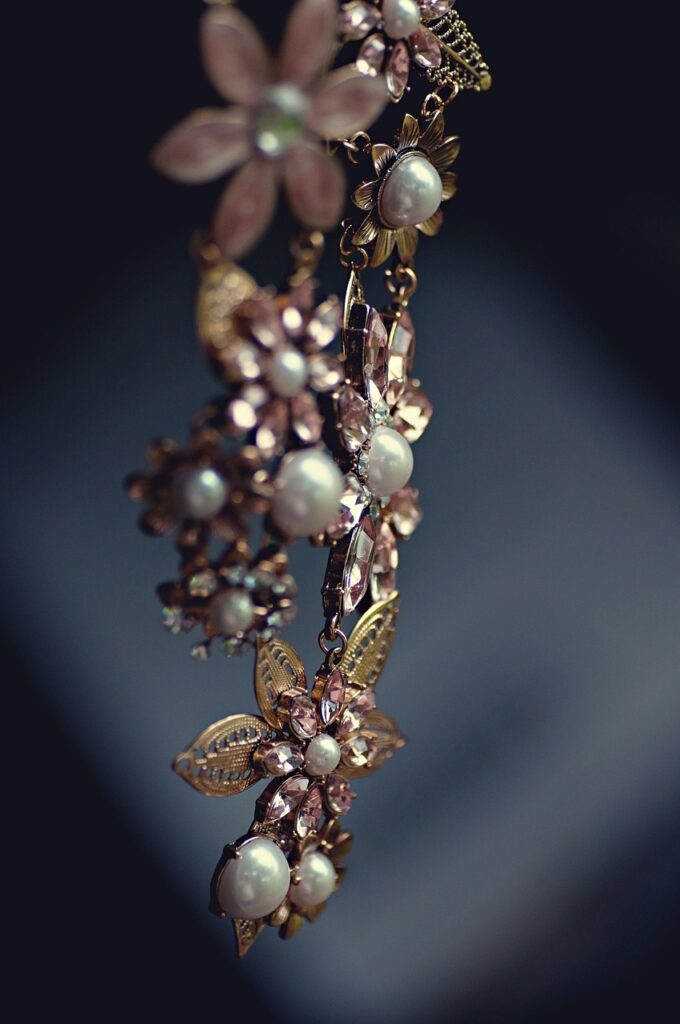
Before diving into specific cleaning methods, it’s crucial to understand what materials you’re working with. Different metals, gemstones, and treatments require different care approaches. Always check for hallmarks, stamps, or documentation that can help identify your jewelry’s composition.
When in doubt, consult with a professional jeweler. They can identify materials and provide specific care recommendations for your pieces. This is particularly important for vintage or antique jewelry, which may have unique characteristics or treatments that require special attention.
Gold Jewelry Care
Gold is one of the most durable and low-maintenance jewelry materials, but it still requires proper care to maintain its luster and prevent damage.
Cleaning Gold Jewelry
For regular cleaning, mix a few drops of mild dish soap with warm water in a small bowl. Avoid harsh detergents or chemicals that can damage the metal or any gemstones. Soak your gold pieces for 10-15 minutes, then gently scrub with a soft-bristled toothbrush, paying attention to crevices where dirt and oils can accumulate.
Rinse thoroughly with clean water and dry with a soft, lint-free cloth. For pieces with intricate details, use a clean, dry toothbrush to remove any remaining water from small spaces.
Special Considerations for Gold
Different gold karats require slightly different care approaches. Higher karat gold (18k, 22k) is softer and more prone to scratching, so handle these pieces with extra care. Gold-plated jewelry needs gentler treatment since the gold layer is thin and can wear off with aggressive cleaning.
Avoid exposing gold jewelry to chlorine, which can cause discoloration and structural damage. Remove gold pieces before swimming in pools or hot tubs, and be cautious around household cleaners containing chlorine.
Silver Jewelry Maintenance
Silver is beautiful but requires more attention than gold due to its tendency to tarnish when exposed to air and moisture.
Preventing and Removing Tarnish
Tarnish is a natural process that occurs when silver reacts with sulfur compounds in the air. While it doesn’t damage the metal, it can make your jewelry look dull and discolored.
For light tarnish, use a silver polishing cloth to gently buff the surface. These cloths are treated with polishing compounds and can restore shine to mildly tarnished pieces.
For heavier tarnish, create a paste using baking soda and water. Apply the paste with a soft cloth, gently rubbing in circular motions. Rinse thoroughly and dry completely. Alternatively, you can use commercial silver cleaners, but always follow the manufacturer’s instructions and test on an inconspicuous area first.
Sterling Silver Care
Sterling silver (92.5% pure silver) is more durable than pure silver but still requires regular maintenance. Store sterling silver pieces in anti-tarnish pouches or with anti-tarnish strips to slow the tarnishing process.
Platinum Jewelry Care
Platinum is one of the most durable precious metals and requires minimal maintenance, but proper care will keep it looking its best.
Cleaning Platinum
Platinum can be cleaned using the same gentle soap and water method used for gold. Due to its durability, you can be slightly more aggressive with scrubbing, but always use soft brushes to avoid unnecessary scratching.
Platinum develops a natural patina over time, which many people find appealing. If you prefer the original high-polish finish, professional polishing can restore it, though this should be done sparingly to preserve the metal.
Gemstone-Specific Care
Different gemstones have varying hardness levels and characteristics that affect how they should be cleaned and cared for.
Diamonds
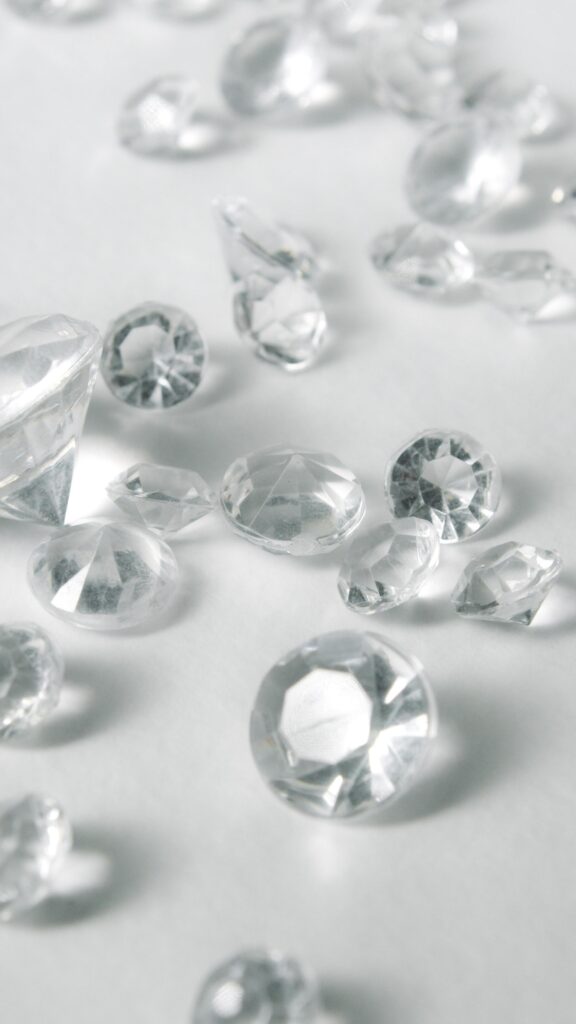
Diamonds are the hardest natural material, making them relatively easy to clean. They can handle gentle scrubbing with soap and water, and even ultrasonic cleaners in most cases. However, diamonds with significant inclusions or those that have been treated may require more gentle handling.
To maintain diamond sparkle, clean regularly to remove oils and dirt that can dull their brilliance. A soft toothbrush works well for cleaning around the setting and underneath the stone.
Pearls
Pearls require special care due to their organic nature and relative softness. They’re particularly sensitive to acids, including those found in perfumes, lotions, and even skin oils.
Clean pearls with a soft, damp cloth after each wear. Never submerge pearls in water or use chemical cleaners, as this can damage the nacre (the lustrous coating). Store pearls separately from other jewelry to prevent scratching, and have them professionally restrung every few years if worn frequently.
Emeralds, Opals, and Soft Stones
Softer gemstones like emeralds, opals, turquoise, and pearls require gentler care. These stones can be damaged by ultrasonic cleaners, harsh chemicals, or excessive heat.
Clean these stones with a barely damp cloth and mild soap if necessary. Avoid soaking them in water, and never use ultrasonic or steam cleaners. Many of these stones are treated with oils or resins that can be damaged by improper cleaning.
Sapphires and Rubies
These corundum stones are very hard and durable, making them suitable for most cleaning methods. They can generally handle soap and water cleaning, and many can be cleaned with ultrasonic cleaners, though it’s always best to check with a professional if you’re unsure.
Cleaning Tools and Products
Having the right tools makes jewelry cleaning safer and more effective.
Essential Cleaning Supplies
Keep a jewelry cleaning kit with soft-bristled toothbrushes, lint-free cloths, mild dish soap, and a small bowl for cleaning solutions. Avoid paper towels or tissues, which can scratch delicate surfaces.
Consider investing in a jewelry cleaning solution specifically designed for your type of jewelry. These products are formulated to be effective while being gentle on precious metals and stones.
Professional Cleaning Equipment
Ultrasonic cleaners can be effective for certain types of jewelry, but they’re not suitable for all pieces. They work by creating high-frequency vibrations that remove dirt and grime, but they can damage loose stones, pearls, or treated gemstones.
Steam cleaners are another professional option, but they should only be used on durable stones and metals. The high heat can damage certain gemstones or cause them to crack.
Proper Storage Techniques
How you store your jewelry is just as important as how you clean it.
Preventing Damage Through Storage
Store jewelry pieces separately to prevent scratching and tangling. Use individual pouches, separate compartments in a jewelry box, or hang necklaces to prevent knotting.
Keep jewelry away from direct sunlight, heat, and moisture. A cool, dry place is ideal for most jewelry storage. Consider using silica gel packets in storage areas to absorb excess moisture.
Specialized Storage Needs
Silver jewelry benefits from anti-tarnish storage solutions. These can include treated cloth pouches, anti-tarnish strips, or storage boxes lined with anti-tarnish material.
Pearls should be stored in breathable containers rather than airtight plastic bags, as they need some moisture to maintain their luster. A soft cloth pouch is ideal for pearl storage.
When to Seek Professional Help
While regular at-home cleaning is important, professional maintenance is sometimes necessary.
Annual Professional Cleaning
Consider having valuable pieces professionally cleaned and inspected annually. Professional jewelers have specialized equipment and expertise to clean jewelry safely and effectively.
During professional cleaning, jewelers can also check for loose stones, worn prongs, or other issues that might not be visible to the untrained eye. Catching these problems early can prevent loss of stones or more extensive damage.
Restoration and Repair
If you notice loose stones, bent prongs, or significant damage, don’t attempt DIY repairs. Professional jewelers have the tools and expertise to make proper repairs that won’t compromise the integrity of your pieces.
Common Mistakes to Avoid
Understanding what not to do is just as important as knowing proper care techniques.
Cleaning Mistakes
Never use harsh chemicals, abrasive cleaners, or rough materials on jewelry. Avoid exposing jewelry to chlorine, which can cause discoloration and damage to many metals and stones.
Don’t use ultrasonic cleaners on pearls, opals, emeralds, or any jewelry with loose stones. The vibrations can cause damage or dislodge stones.
Storage and Handling Errors
Avoid storing different types of jewelry together, as harder materials can scratch softer ones. Don’t expose jewelry to extreme temperatures or direct sunlight for extended periods.
Remove jewelry before swimming, exercising, cleaning, or applying lotions and perfumes. These activities can expose your jewelry to chemicals or physical stress that can cause damage.
Creating a Maintenance Schedule
Establishing a regular care routine will help ensure your jewelry stays beautiful and lasts longer.
Daily Care
Remove jewelry before activities that could damage it, and wipe pieces with a soft cloth after wearing to remove oils and dirt.
Weekly Maintenance
Inspect frequently worn pieces for signs of damage or excessive dirt buildup. Clean pieces as needed using appropriate methods for each material.
Monthly Deep Cleaning
Set aside time each month for thorough cleaning of your jewelry collection. This is also a good time to check storage conditions and organize your pieces.
Annual Professional Care
Schedule annual professional cleanings for valuable pieces, and use this time to have any necessary repairs completed.
Conclusion
Proper jewelry care doesn’t require expensive equipment or complex techniques—just knowledge, consistency, and gentle handling. By understanding the specific needs of different materials and establishing good care habits, you can keep your jewelry collection looking beautiful for years to come.
Remember that when in doubt, it’s always better to err on the side of caution. If you’re unsure about how to clean or care for a particular piece, consult with a professional jeweler. The small investment in professional advice can save you from costly damage and ensure that your precious pieces remain as beautiful as the day you first wore them.
Your jewelry is an investment in both beauty and memories. With proper care, these pieces will continue to bring joy and elegance to your life while maintaining their value for future generations to treasure.


Leave a Reply